Clear, practical wellness information for everyday life.

This article is for general wellness education only. It does not diagnose or treat a medical condition. If you have symptoms, abnormal test results, or ongoing concerns, talk with a qualified healthcare professional.
6. Do not rely on “detox” products
Kidney concerns should be assessed with proper medical testing rather than unproven cleanses or supplements.
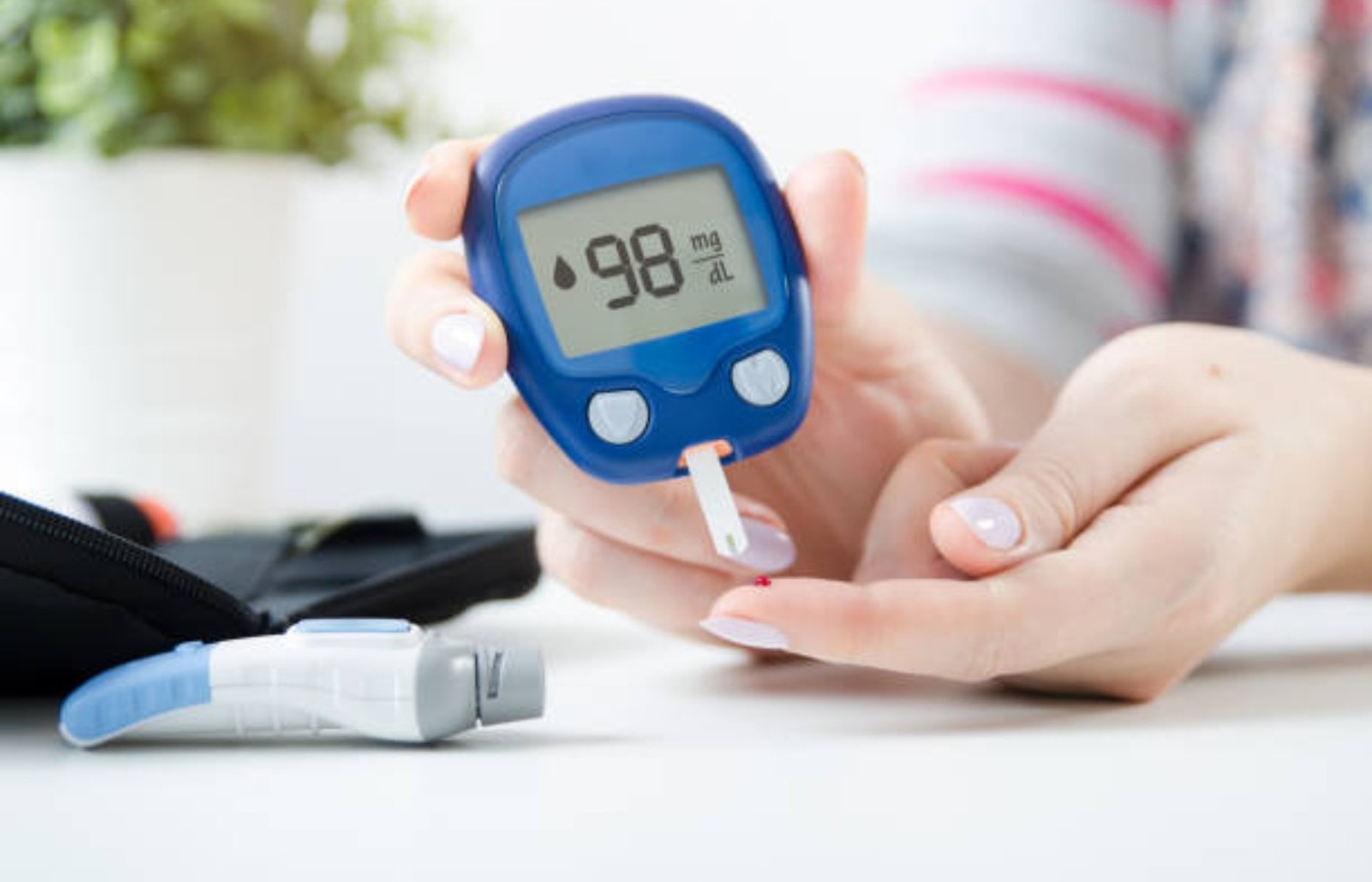
5. Manage blood sugar if relevant
Diabetes is a major kidney risk factor. Follow the care plan recommended by your clinician.
4. Keep blood pressure in range
High blood pressure can affect kidney function over time, so monitoring and treatment matter.
3. Use pain medicines carefully
Some over-the-counter pain relievers can affect the kidneys, especially with frequent use or existing kidney disease. Follow medical advice.
2. Be mindful of sodium
Reducing very salty processed foods can support blood pressure, which matters for kidney health.
1. Stay reasonably hydrated
Fluid needs vary, but regular hydration is generally easier than trying to “flush” the kidneys with excessive water.
6 Practical Tips to Try
Here are six simple, practical tips related to 30-day kidney health routine. Use the ideas that fit your routine and skip anything that does not apply to you.
Recommended Wellness Resource
If you want to explore a related commercial resource for kidney health, use the button below. This is an affiliate link, which means Norvessa Health may earn a commission at no extra cost to you. It is not a medical recommendation.
View Kidney Support ResourceLook for patterns instead of perfection
Wellness routines tend to improve when you pay attention to patterns. Stress, sleep, work demands, travel, and grocery habits can all influence how easy or difficult it feels to stay consistent. Instead of judging one off day too harshly, ask what conditions made that day harder.
When you notice a pattern, you can plan around it. Busy evenings may call for a simpler meal. Travel may mean packing supportive snacks. A more stressful week may require shorter, easier routines. Planning this way makes habits feel more realistic.
Questions worth asking yourself
- What part of my day has the least friction for a healthier routine?
- Which triggers make eGFR awareness harder to manage?
- What one step could I test for seven days?
- Would a qualified professional be helpful if concerns continue?
Use the environment to your advantage
The setup around you matters. Supportive choices become easier when the environment reduces decision fatigue. Keeping helpful items visible, preparing ahead, or setting reminders can make good habits feel more automatic.
This is especially valuable for kidney health. Most people do not need a “perfect” routine—they need one that fits their schedule, energy, and resources. A flexible system usually lasts longer than an extreme one.
When to seek more support
General lifestyle reading can be helpful, but it does not replace care. If something feels persistent, worsens over time, or brings pain, discomfort, or limitation, reaching out to a healthcare professional may be the next best step. They can help you interpret symptoms, test results, medications, and personal history more accurately.
A realistic approach to eGFR awareness is not about fear. It is about learning what supports you, keeping what works, and staying open to professional guidance when needed.